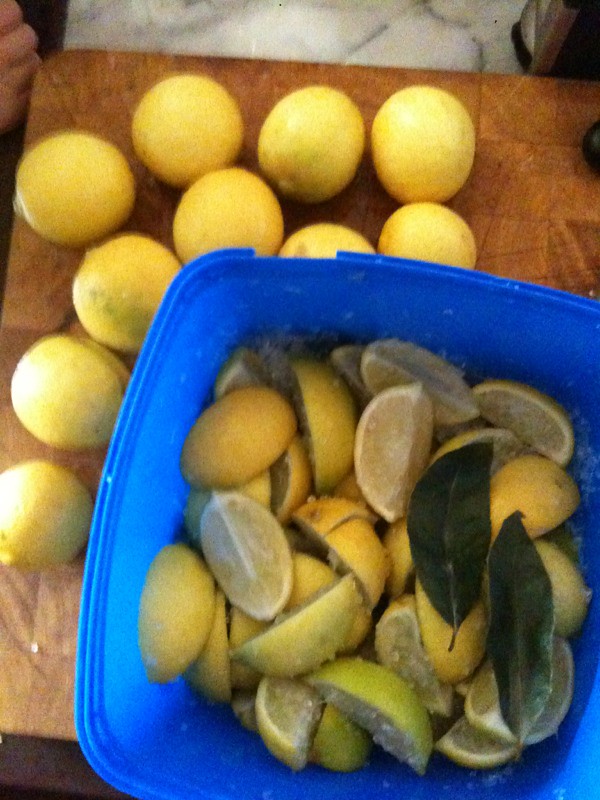
My sister has just moved to a new house and although it only has a small courtyard (a triplex) it has two wonderful citrus trees that are doing very well. One is a lemon (I'm guessing it's a Meyer) and the other is a kaffir lime. She reckons they get about a dozen or more dropping on the ground each day. So, ever resourceful, the kids and I grabbed a bagful!
What to do with a bagful of lemons? Preserve them of course! I've always wanted to try lemon preserving but never really had a bulk of them to try.
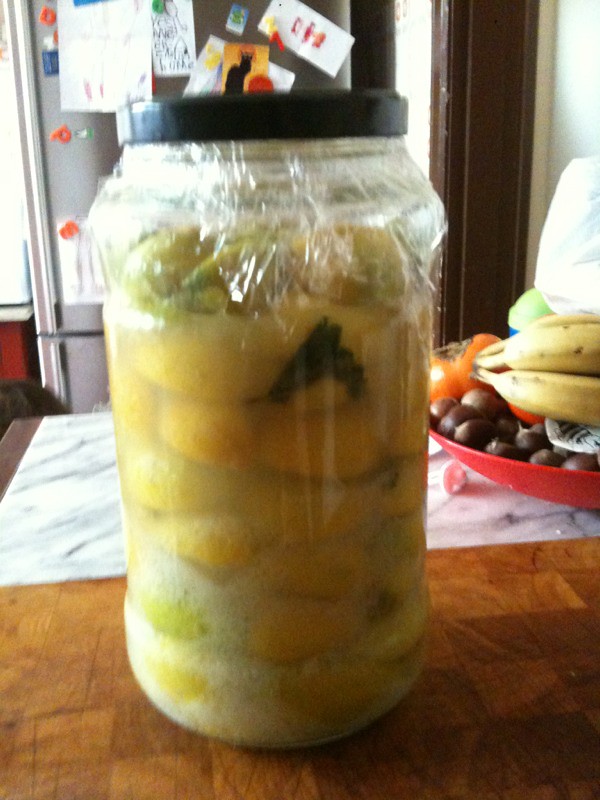
So, today was the day! I used Stephanie Alexander's recipe which also includes bay leaves, cloves and cinnamon (I had none so used cardamom pods).
Thirty lemons and a three litre jar full later... All looks good!
Can't wait to watch the transformation in the coming weeks and months!
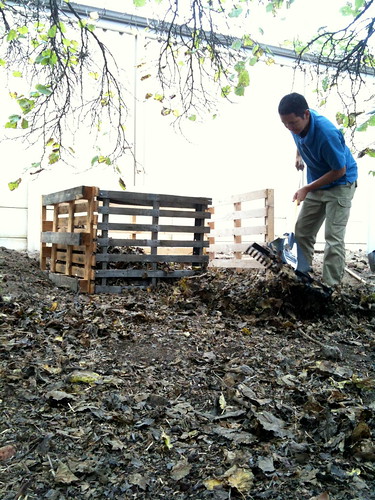
Simon built a compost heap using reclaimed pallets. Good timing too as the mulberry tree is now dropping its copious amount of leaves for autumn. So we now have our chooks, worms and compost going well. A side note, my Mum is providing us with a top-up of worms, as hers are going great guns and need dividing. Good for us, as our worms took a hit over the summer months.
Simon's compost bin from reclaimed pallets.
In terms of compost production, I'm hoping we can bulk up a bit more by getting leftovers from the nearby markets. This can also help to feed the chooks, as our kitchen scraps are pretty meagre really.
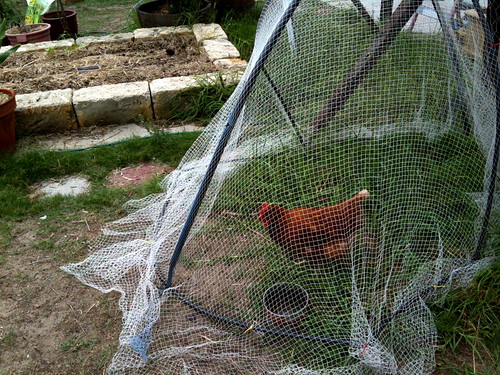
I also put together a lightweight chook tractor. I used polypipe and the pipe fittings to make up the frame, plus some some bird netting from our grapevine, as there's plenty to spare. It's a bit on the flexible side (and we did have an escapee for a short while), but at least we can move it about easily and wedge it into some of the confined spaces in our backyard as needed. The girls didn't know what was going on at first, but then they didn't seem to mind as they got stuck into the long grass! They are so cute. :o)
Chook tractor made with polypipe and bird netting.
We are hoping the chook tractor idea can help us to keep the grass down a bit (it's patchy at best and we don't have enough to warrant a lawnmower), plus keep the pest population down a bit. Our seeds were systematically chomped by slugs and snails as they pushed through the soil! Come on girls, get eating! Hoping they'll keep the slaters down too, plus leave their valuable manure around.
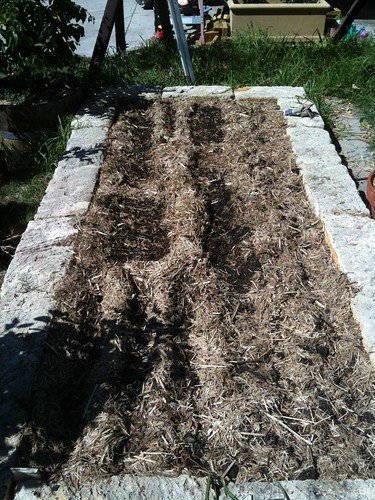
After celaning up our building remnants, we got to work on our raised no-dig garden bed and have since planted a range of seeds. We've over-planted with the expectation that some will not surface and others will suffer from the slaters and millipedes - natural attrition in other words!
So, we have from top left to right: yellow beans, radish, Swiss chard, climbing beans; Middle L to R: baby carrots, leeks (Musselwhite), peas; Bottom L to R: pansies, beetroot, peas.
The radish and beetroot have both sprouted so far (not quite a week since sowing the seeds), they got a head start with the warm weather and the bit of rain we've had since.
We've scattered a healthy layer of coffee grounds too, to try to deter the slaters and millipedes and are keeping our fingers crossed. I'm going to try to bring in the potted mints to see if that will help deter pests too - worked a treat in our Canberra garden, I recall!
Autumn is such a beautiful time of the year: everything seems to rest, the weather goes calm and if you make it to the beaach, the water is like glass for much of the day. Stunning!
OK so maybe we don't need a building site in the backyard :-).
We spent the weekend cleaning up the brick and limestone rubble extracted from our bathroom. We separated the good stuff for reuse and have a "throw out pile" as well. Amazing though how small the pile became once we looked at what we could reuse.
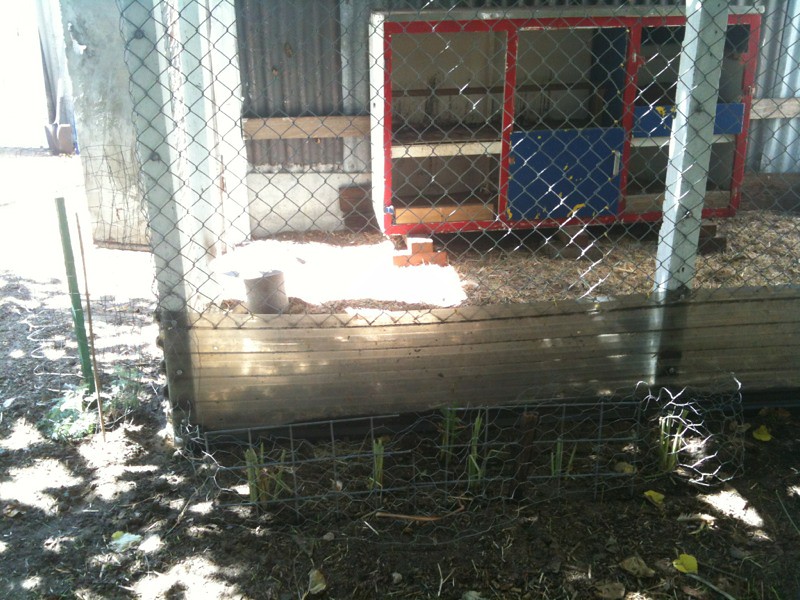
I also put in some lemongrass, galangal and wormwood cuttings around the chook shed and fence line to catch some of the water run-off and give the chooks some extra foraging. They will keep the winter grass down around our mulberry tree too, as it crops up after the rains. As long as the cuttings survive their scratching and digging they should be good!
On another note, our worms took a hit over summer. We've moved them back under the mulberry tree too. Hoping they'll replenish their numbers in the coming (cooler) months. Another reason to get some more green crops in is to feed the chooks and worms better as they compete for our meager food scraps right now.
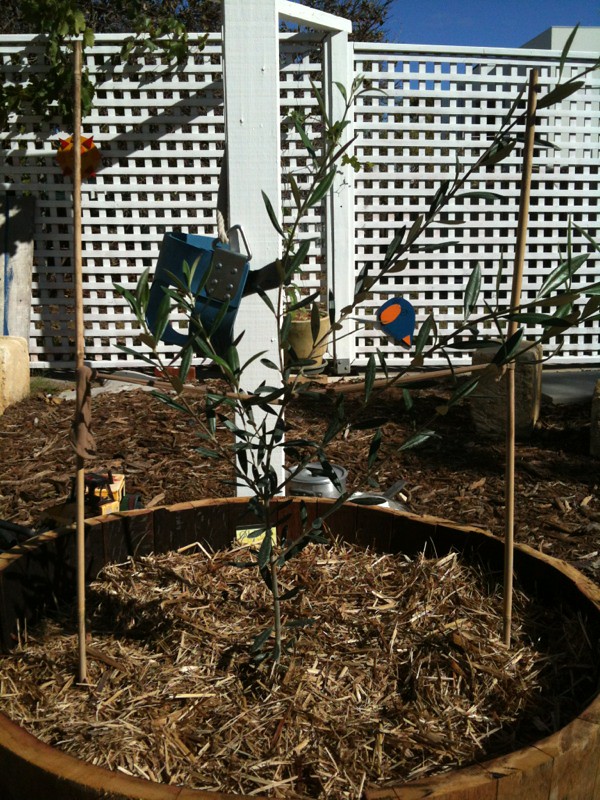
We topped up the pots including the lemon, lime, fig, olives, guavas and more so they too can make the most of the rain when and as it comes.
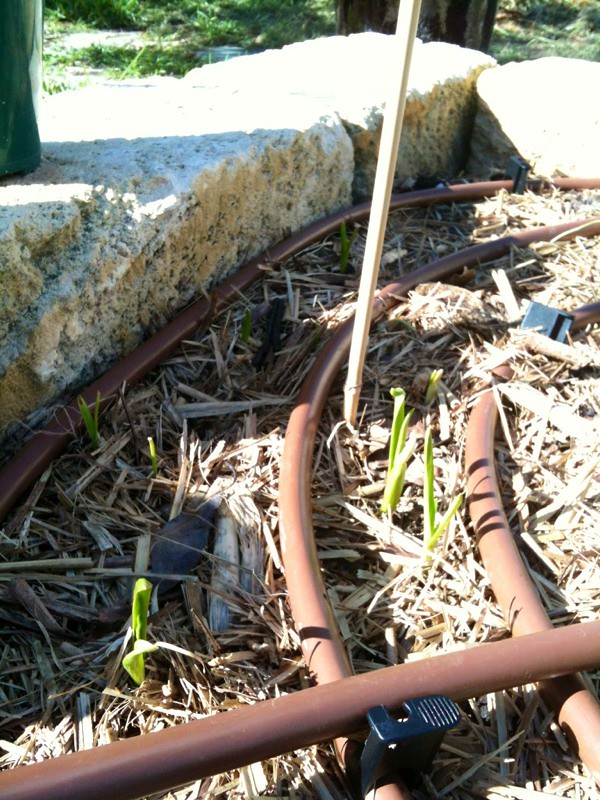
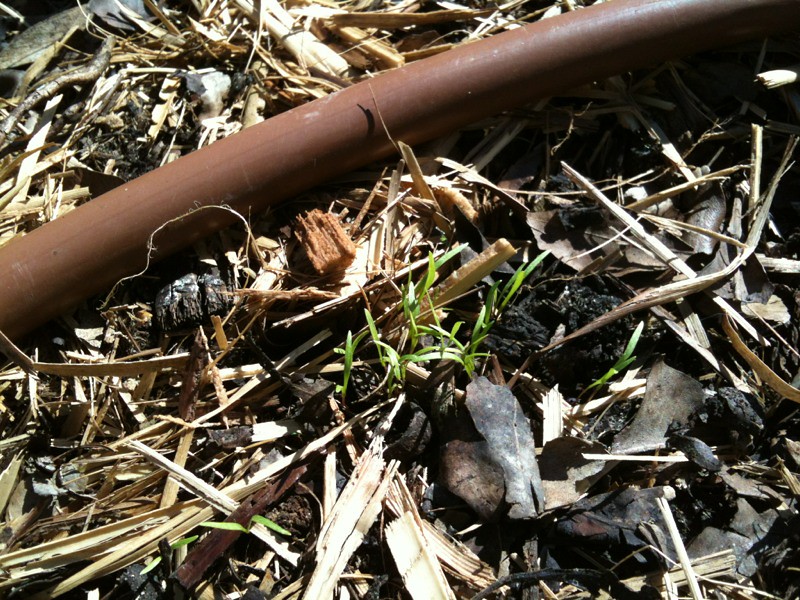
I mentioned in our last post that we hadn't yet seen the carrots pop up, but they have since then! Don't you just love their delicate fine leaves?
Will be keeping these moist so they get the best start possible and we also sowed another couple of rows in one of our large planters. That should keep us in carrots for a while. :-)
As for our Okra seeds, we have yet to see these emerge from the soil! Have been reading what others have experienced with Okra and apart from keeping the soil moist and the environment warm I can't see what else could hinder them. So, we will wait a tad longer - they can take up to 3-4 weeks to germinate so they still have 1-2 weeks to surprise us!
Clancy decided our garden needed a scarecrow. And he couldn't be happy, he had to be an angry scarecrow to scare the birds away!
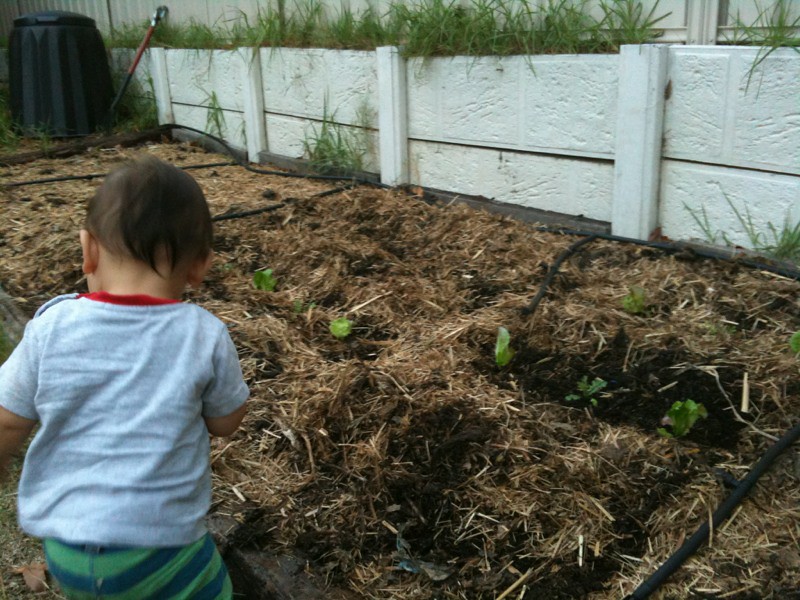
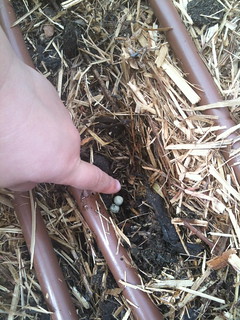
The weather has been warm enough to give our seeds a cracking start too. The beetroots are already surfacing, as are the peas and beans planted at the same time. Its been barely a week!
Haven't seen the carrots yet. I have a feeling the seed was old. Will give them a week's grace.
Clancy and I planted some Autumn vegie seeds this week.
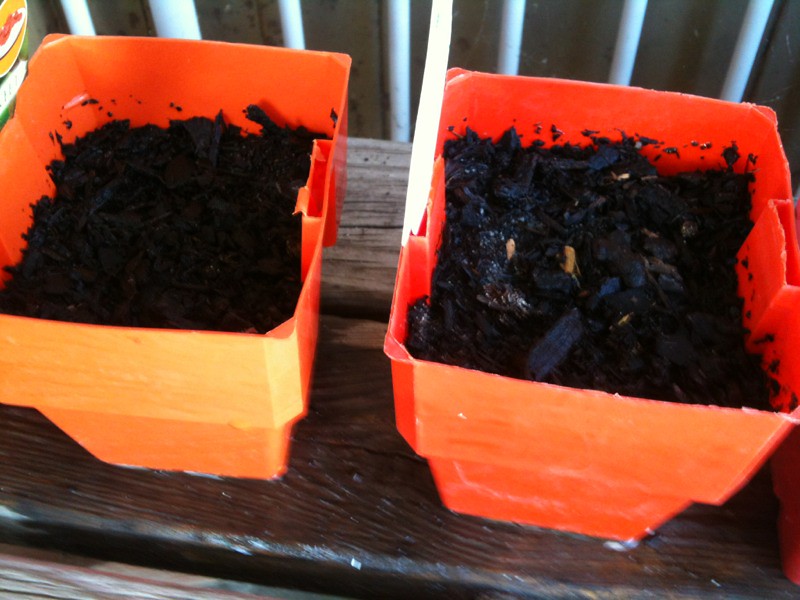
We started with seeds from our Okra plant. Clancy potted them by herself and we are hoping to see some green shoots in the next week or so! We are experimenting to see how/if the Okra grow well this time of year - they seem fast growing and produce lovely lady's fingers so hoping they will be a good quick Autumn crop amongst the longer term vegies.
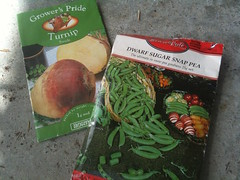
Next we planted some dwarf peas together with turnips - good companions apparently. The peas have already surfaced - a sign that the warmth is still around! The turnip seeds are much like caulie seeds so we mixed them with some sand to spread them evenly in the bed (especially as it is a no-dig bed).
Then we planted out a line of baby beetroot. They too have sprung up quickly. The trick I've found with beetroot (and carrots too) is to keep the water on them in the early stages so they continue to mature at a consistent rate (as we noted back in October last year). We also put in two lines of baby carrots. Again we will see how they fair this time of year - they seem to handle the cool a bit as long as they get a bit of a warm start I reckon.
Now to the beans - we did in fact plant out some dwarf beans as we've done previously, so we haven't yet got the cubby concept going! May as well use what we have to start with! We planted out the beans into pots and put these around the garden bed and the sandpit for a bit of greenery. No doubt once they start producing the kids will be picking and eating them like nothing else! Just the ticket :o)
Now the weather is cooler, we've been refreshing our potted plants. I repotted a fig into a larger pot and topped up the herbs with a bit of fresh potting mix and blended manure.
Clancy and I are looking at the Gardening Australia Vegie Guide to see what we can plant in our garden beds, now the Summer seems to be over.
We found this article by Millie Ross which shows how to plant out a bean chubby house! Clancy thought that would be very cool :o). As our grapevine is beginning to lose its leaves, it would be good to plant beans at the end of the raised bed that is next to the vine so we can string the beans across to it to provide a tent-like cover for Clancy (and Alfie) to play under. Worth experimenting anyway.
Other things Clancy would like in the garden include beetroot, potatoes (we haven't planted them in our Perth garden yet, only back in Canberra, Clancy says), sweet potatoes and of course some purple, yellow and orange flowers!
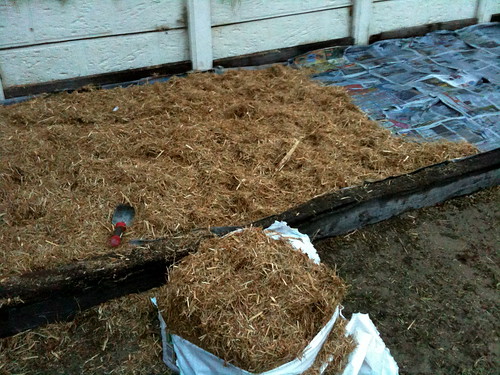
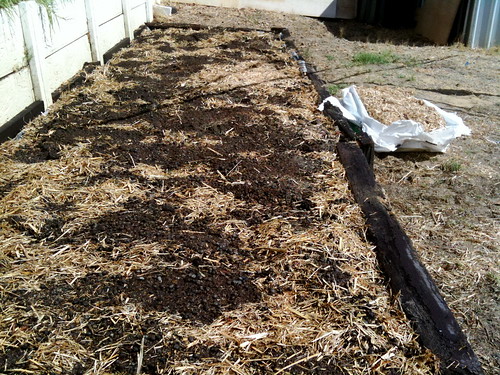
The following pictures depict the layers (as ably demonstrated by our mini-gardener, Clancy), starting with wet newspaper, then sugarcane mulch, homemade compost and a wetting agent, another mulch layer, sheep manure and a dusting of blood and bone, then more mulch to finish.
Layers 1 and 2: Newspaper and sugarcane mulch
Layers 3 and 4: Compost, wetting agent, then more mulch
Today (and after letting the bed settle for almost 2 weeks) we planted some mini broccoli and mini cauliflower seedlings, plus some fennel. The bed is holding moisture really well - something to be tested this week as the temperatures warm up again to about 27 degrees. The bed also gets a decent 8 hours of sunshine on most of its 5 metre length - another bonus as the weather cools.
The final addition will be a drip hose watering system, for both grey water (filtered) and potable water (although hoping this can be kept to a minimum). We would like to put in a rainwater tank at some point, but that will need further planning (given we are renting). Would ideally love to set up something similar to the greywater system Josh demonstrated on Gardening Australia (2006)!